
How Much Electricity Does a Light Bulb Use?
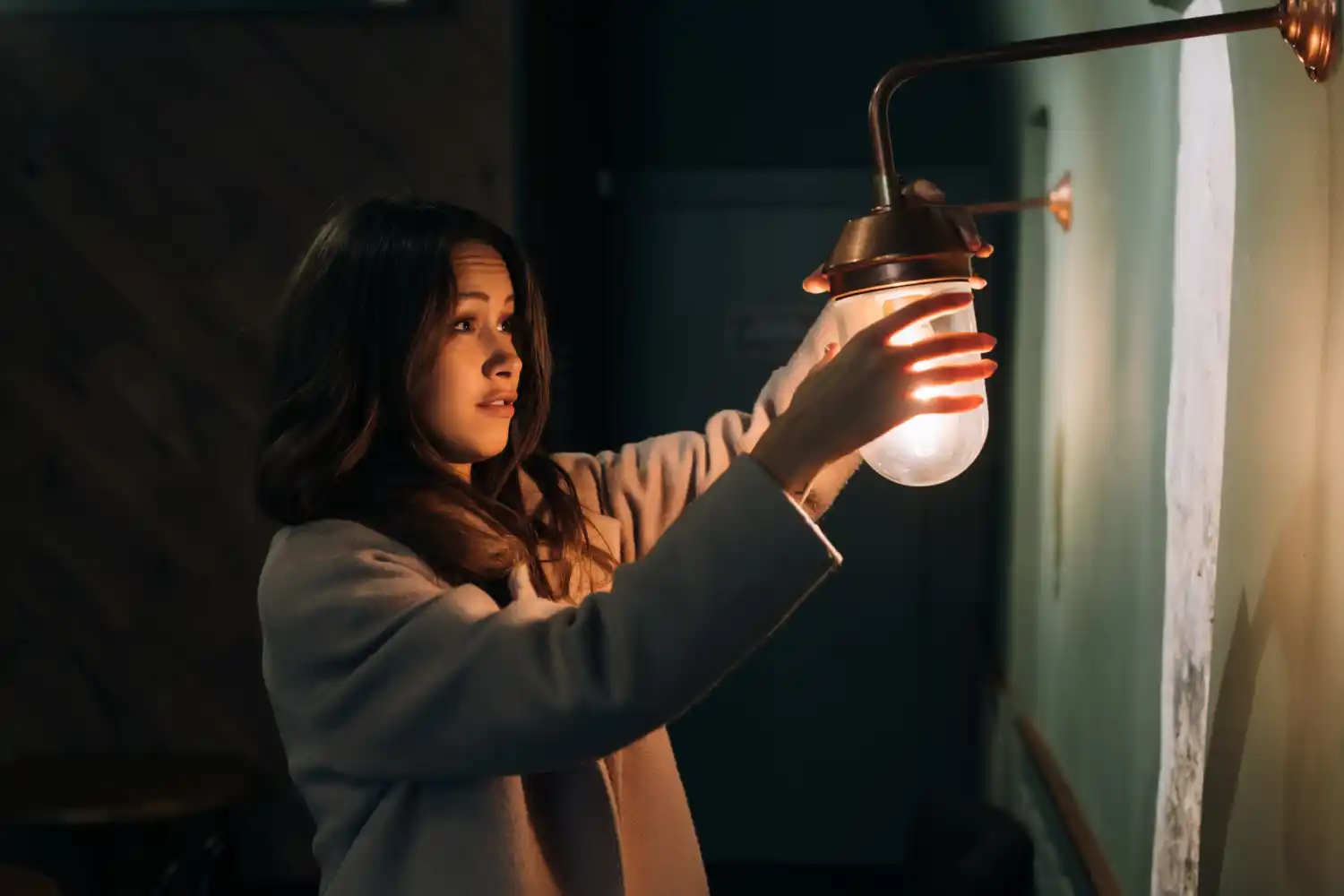
A light bulb typically uses between 4 and 100 watts of electricity depending on the bulb type. LED bulbs use the least electricity, while incandescent bulbs use the most. A 10-watt LED bulb running for 5 hours daily uses only 0.05 kWh of electricity, making it a highly energy-efficient lighting option.
Light bulbs are part of everyday life. From kitchens and hallways to offices and outdoor spaces, lighting plays a major role in modern homes and businesses. Yet many people still wonder: how much electricity does a light bulb use? With energy prices continuing to fluctuate across the UK, understanding the energy consumption of your lighting can help reduce household costs and improve efficiency.
The amount of electricity a light bulb uses depends on several factors, including the bulb type, brightness level, usage hours, and overall energy efficiency. Older incandescent bulbs consume far more electricity than modern LED alternatives, while smart lighting systems can also affect energy usage patterns.
In this detailed guide, we’ll explain how electricity usage is measured, compare different types of bulbs, calculate running costs, and provide practical ways to lower your electricity bill. Whether you want to save money or make your home more energy-efficient, understanding lighting consumption is an excellent place to start.
Average Electricity Usage
Typical Wattage
4 – 100 Watts
LED Example
10W bulb = 0.05 kWh per day
Understanding How Light Bulb Electricity Usage Works
Electricity usage is measured in watts, which indicates how much power a bulb consumes while operating. Your electricity supplier, however, charges you based on kilowatt-hours (kWh).
Here’s a quick breakdown of common electrical terms:
- Watt (W): Measures electrical power consumption
- Kilowatts (kW): 1 kilowatt equals 1,000 watts
- Kilowatt-hour (kWh): The amount of electricity used over time
- Amps: Measures the electrical current flowing through the bulb or appliance
To calculate how much electricity a light bulb uses, you can use this simple formula:
| Formula | Example |
|---|---|
| Watts × Hours Used ÷ 1,000 = kWh | 10W LED × 5 hours ÷ 1,000 = 0.05 kWh |
If electricity costs £0.30 per kWh:
| Usage Example | Cost |
|---|---|
| 0.05 kWh × £0.30 | £0.015 per day |
That means a 10-watt LED bulb running for 5 hours daily costs less than 2p per day.
Different Types of Light Bulbs and Their Electricity Usage
Not all bulbs consume the same amount of electricity. Some are highly efficient, while others waste energy by producing heat instead of light.
Below are the most common types of bulbs used in homes and commercial properties.
Incandescent Bulbs
Incandescent bulbs are the traditional bulbs many people grew up using. They work by heating a filament until it glows. Although inexpensive to buy initially, they are extremely inefficient.
Typical power usage:
| Bulb Type | Average Wattage |
|---|---|
| Incandescent Bulb | 40W–100W |
A 60-watt incandescent bulb used for 6 hours daily:
| Calculation | Result |
|---|---|
| 60 × 6 ÷ 1,000 | 0.36 kWh |
| 0.36 × £0.30 | £0.108 per day |
Monthly cost:
| Daily Cost | Monthly Cost |
|---|---|
| £0.108 | Approx. £3.24 |
Incandescent bulbs produce significant heat, making them less energy-efficient than modern alternatives.
Halogen Bulbs
Halogen bulbs are slightly more efficient than incandescent bulbs but still consume a relatively high amount of electricity.
Typical usage:
| Bulb Type | Average Wattage |
|---|---|
| Halogen Bulb | 28W–70W |
Although brighter and longer-lasting than traditional incandescent bulbs, halogens are gradually being phased out in favour of more energy-efficient options.
CFL Bulbs (Compact Fluorescent Lamps)
CFL bulbs became popular because they use less electricity while producing similar brightness levels.
Typical usage:
| Bulb Type | Average Wattage |
|---|---|
| CFL Bulb | 9W–20W |
A 14-watt CFL running for 5 hours daily:
| Calculation | Result |
|---|---|
| 14 × 5 ÷ 1,000 | 0.07 kWh |
| 0.07 × £0.30 | £0.021 per day |
CFL bulbs consume far less electricity than incandescent bulbs but take time to reach full brightness.
LED Bulbs
LED bulbs are now considered the most energy-efficient lighting option available. They consume minimal electricity, last significantly longer, and produce very little heat.
Typical usage:
| Bulb Type | Average Wattage |
|---|---|
| LED Bulb | 4W–15W |
A 10-watt LED bulb used for 6 hours daily:
| Calculation | Result |
|---|---|
| 10 × 6 ÷ 1,000 | 0.06 kWh |
| 0.06 × £0.30 | £0.018 per day |
Monthly running cost:
| Daily Cost | Monthly Cost |
|---|---|
| £0.018 | Approx. £0.54 |
This demonstrates why LEDs are considered the best long-term investment for reducing energy costs.
Smart Bulbs
Smart bulbs often use LED technology but include additional features such as Wi-Fi connectivity, dimming, timers, and voice control.
Typical usage:
| Bulb Type | Average Wattage |
|---|---|
| Smart LED Bulb | 7W–12W |
Although they consume slightly more standby power due to connectivity, they can help reduce electricity use through automation and scheduling.
Comparing Electricity Usage Between Bulb Types
Here’s a direct comparison of popular bulb types based on equivalent brightness.
| Bulb Type | Equivalent Brightness | Average Watt Usage |
|---|---|---|
| Incandescent | 800 lumens | 60W |
| Halogen | 800 lumens | 42W |
| CFL | 800 lumens | 13W |
| LED | 800 lumens | 8W–10W |
The savings become even more noticeable when multiple bulbs are used throughout a property.
How Much Electricity Do Multiple Light Bulbs Use?
Many homes have 15–30 light bulbs installed across different rooms. While one LED bulb costs very little to run, total electricity usage increases depending on how many lights are switched on.
Example:
LED Usage Example
10 LED bulbs at 10 watts each used for 5 hours daily
| Calculation | Result |
|---|---|
| 10 bulbs × 10W | 100 watts total |
| 100 × 5 ÷ 1,000 | 0.5 kWh |
| 0.5 × £0.30 | £0.15 per day |
Monthly cost:
| Daily Cost | Monthly Cost |
|---|---|
| £0.15 | Approx. £4.50 |
Now compare this to incandescent bulbs:
| Bulb Type | Monthly Cost for 10 Bulbs |
|---|---|
| Incandescent (60W each) | Approx. £27 |
| LED (10W each) | Approx. £4.50 |
That’s a substantial long-term saving.
What Affects Light Bulb Electricity Consumption?
Several factors determine how much electricity your lighting uses.
Bulb Wattage
Higher wattage means higher electricity consumption. A 100-watt bulb consumes far more energy than a 10-watt LED.
Hours of Use
Leaving lights switched on unnecessarily increases electricity usage quickly.
Bulb Efficiency
Modern LEDs convert more energy into light instead of heat, reducing waste.
Brightness Level
Brighter bulbs generally require more power, although LED technology allows high brightness with low wattage.
Dimmers and Smart Controls
Smart systems and dimmers can reduce electricity usage by adjusting brightness levels automatically.
How to Reduce Lighting Electricity Costs
There are several practical ways to lower your lighting expenses without sacrificing brightness or comfort.
Switch to LED Bulbs
Replacing old bulbs with LEDs can reduce lighting electricity consumption by up to 80%.
Turn Off Unused Lights
One of the simplest ways to save electricity is turning lights off when leaving a room.
Use Motion Sensors
Motion-activated lighting helps prevent unnecessary electricity use in hallways, bathrooms, and outdoor areas.
Install Smart Lighting
Timers and smart systems allow better control over usage patterns.
Maximise Natural Light
Open curtains and blinds during the day to reduce dependence on artificial lighting.
Choose the Correct Brightness
Avoid using overly powerful bulbs where softer lighting is sufficient.
Are LED Bulbs Worth the Cost?
LED bulbs often cost more initially, but their long lifespan and low electricity usage make them far cheaper over time.
LED Lifespan Comparison
LED Bulb
Up to 25,000 Hours
Incandescent Bulb
Around 1,000 Hours
VCR Electric Services often recommend LED upgrades because of the significant reduction in energy costs and maintenance requirements.
Do Light Bulbs Use Electricity When Turned Off?
Traditional bulbs use no electricity when switched off. However, certain smart bulbs may consume a tiny amount of standby power to maintain connectivity.
This standby usage is generally extremely low and unlikely to impact your electricity bill significantly.
How Many Amps Does a Light Bulb Use?
Most household bulbs use very small amounts of current.
Example calculation:
| Formula | Result |
|---|---|
| Watts ÷ Voltage = Amps | 10W ÷ 230V = 0.043 amps |
Even multiple LED bulbs draw very little current compared to larger appliances.
Why LED Lighting is Becoming the Standard
Across the UK, LEDs are rapidly replacing older lighting technologies because they:
Use Fewer Watts
LEDs consume significantly less electricity than traditional bulbs.
Produce Less Heat
More energy is converted into light rather than wasted as heat.
Last Significantly Longer
LED bulbs offer a much longer lifespan than older technologies.
Reduce Maintenance Costs
Fewer replacements mean lower ongoing maintenance expenses.
Lower Electricity Bills
Reduced energy consumption helps cut household electricity costs.
Better Environmental Efficiency
Lower energy usage helps reduce overall environmental impact.
With rising energy prices, switching to efficient lighting has become more important than ever.
Final Thoughts
So, how much electricity does a light bulb use? The answer depends largely on the type of bulb and how often it’s used. Traditional incandescent bulbs consume far more electricity than modern LED alternatives, while smart lighting systems can improve efficiency even further.
Most modern LED bulbs use only 4 to 15 watts, making them one of the cheapest household appliances to operate. By understanding concepts such as watts, kilowatts, kWh, and amps, you can better manage your household electricity usage and reduce unnecessary energy costs.
Whether you’re replacing outdated lighting or simply becoming more energy-conscious, upgrading to efficient bulbs is a smart long-term decision for both your wallet and the environment.
Frequently Asked Questions
Need Professional Help with Your Light Fitting?
Contact VCR Electric Services for safe, professional installation by qualified electricians.
Call Us Now: 07446 111 951