How Much Electricity Does a Washing Machine Use?
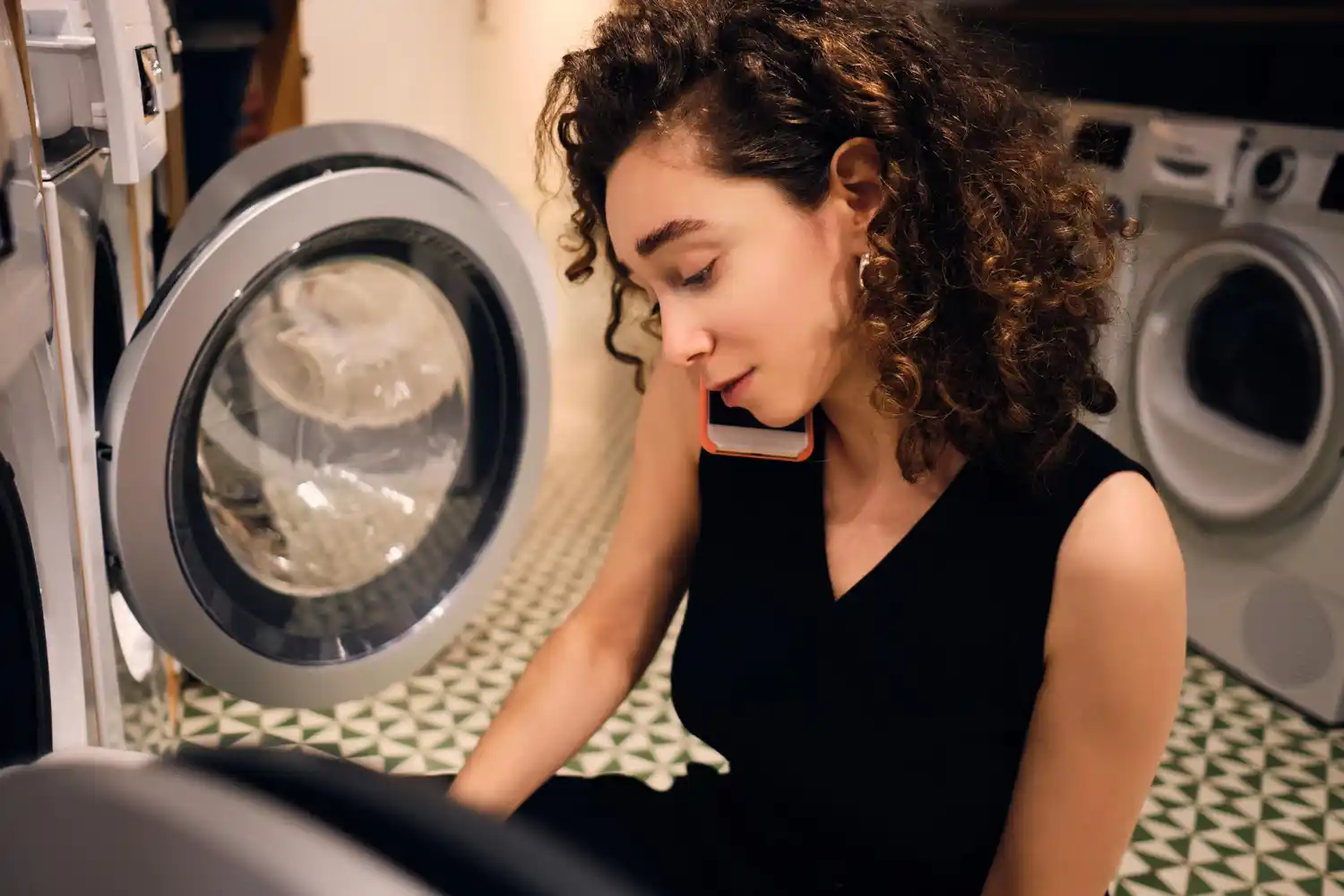
Most washing machines use between 0.5 and 2.5 kWh of electricity per cycle, depending on the model and wash settings. Hot washes consume more energy due to water heating, while eco modes and cold cycles significantly reduce electricity usage.
Washing machines are one of the most essential household appliances in UK homes. From daily clothing loads to heavy bedding washes, they provide convenience, hygiene, and time-saving benefits. However, with rising electricity prices, many households are now asking an important question: how much electricity does a washing machine use?
The electricity consumption of a washing machine depends on several factors, including its type, capacity, wash cycle, water temperature, spin speed, and energy efficiency rating. While washing machines do use a noticeable amount of electricity, modern models are designed to be highly energy-efficient compared to older appliances.
In this detailed guide, we will explore how washing machines use electricity, average running costs, different machine types, energy-saving tips, and practical ways to reduce electricity consumption in your home.
Average Electricity Usage
Per Cycle Usage
0.5 – 2.5 kWh
Energy Saving Option
Eco modes & cold wash cycles
How Washing Machines Use Electricity
A washing machine uses electricity mainly for the following functions:
- Heating water (in hot wash cycles)
- Running the motor
- Operating the drum rotation
- Pumping water in and out
- Spin drying clothes
Among these, water heating is the most energy-intensive part of the process. Cold wash cycles use significantly less electricity because they avoid heating water.
Typical Household Power Usage
Most modern washing machines consume between 500 watt and 2500 watt depending on cycle type and load size.
Average Electricity Usage of a Washing Machine
Electricity usage is measured in kilowatt-hours (kWh), which represents how much energy an appliance consumes over time.
| Washing Machine Type | Average Wattage | Electricity per Cycle |
|---|---|---|
| Top Load Washing Machine | 1000–2500 watts | 1–2.5 kWh |
| Front Load Washing Machine | 500–2000 watts | 0.5–1.5 kWh |
| Eco Washing Machine | 500–1200 watts | 0.3–1 kWh |
| Compact Washing Machine | 500–1000 watts | 0.3–0.8 kWh |
| Washer-Dryer Combo | 1500–3000 watts | 2–4 kWh |
Front-load and eco models are generally more energy-efficient than top-load machines.
How to Calculate Washing Machine Electricity Usage
Electricity usage can be calculated using a simple formula:
Electricity Usage (kWh) = Power (Watts) × Hours Used 1000
For example, if a 1500-watt washing machine runs for 1 hour:
1500 × 1 1000 = 1.5 kWh
This means the machine uses 1.5 units of electricity per full wash cycle.
Cost of Running a Washing Machine
To calculate cost, multiply electricity usage by your tariff rate.
Example
- Machine usage: 1.5 kWh
- Electricity rate: £0.30 per kWh
Cost per wash:
1.5 × 0.30 = 0.45
So, each wash costs approximately £0.45.
If used 20 times per month:
0.45 × 20 = 9
Monthly cost would be around £9.
Types of Washing Machines and Their Electricity Use
Different washing machines consume different amounts of electricity depending on design and efficiency.
Top Load Washing Machines
These machines generally use more water and electricity. They are common in older homes and are less energy-efficient.
Front Load Washing Machines
Front loaders are more efficient and use less water and electricity while providing better cleaning performance.
Fully Automatic Washing Machines
These machines automatically adjust water levels and cycle time, improving energy efficiency.
Semi-Automatic Washing Machines
Semi-automatic models use less electricity overall but require manual intervention.
Washer-Dryer Machines
This combines washing and drying functions but consume more electricity due to the drying process.
Factors Affecting Electricity Usage
Several factors influence washing machine electricity consumption:
Wash Temperature
Hot water cycles consume significantly more electricity than cold washes.
Load Size
Overloading or underloading can reduce efficiency.
Cycle Duration
Longer cycles use more electricity.
Spin Speed
Higher spin speeds require more motor power.
Machine Age
Older machines are less efficient than modern energy-rated appliances.
Do Washing Machines Use a Lot of Electricity?
Washing machines are moderate electricity consumers compared to other household appliances.
| Appliance | Average Electricity Use |
|---|---|
| Washing Machine | 0.5–2.5 kWh per cycle |
| Electric Oven | 2–5 kWh |
| Dishwasher | 1–2.5 kWh |
| Iron | 1–3 kWh |
Although they consume electricity, modern washing machines are designed to optimise energy usage.
Energy-Efficient Washing Machine Tips
Reducing electricity usage is simple with a few smart habits.
Use Cold Wash Cycles
Cold water washing significantly reduces electricity consumption.
Wash Full Loads
Running full loads maximises energy efficiency.
Use Eco Mode
Eco settings reduce water heating and cycle duration.
Avoid Over washing
Washing lightly worn clothes unnecessarily increases electricity use.
Maintain Your Machine
Clean filters and drums improve efficiency.
Washing Machine vs Hand Washing
Many people assume hand washing is more energy-efficient, but this is not always true. Washing machines often use less water and controlled energy compared to continuous hot water use in hand washing.
Energy Ratings Explained
Modern washing machines come with energy labels ranging from A to G.
A-Rated Machines
A-rated machines are the most energy-efficient, using less electricity per cycle.
These ratings help consumers choose cost-effective appliances.
Smart Washing Machine Technology
Modern machines include advanced features that reduce electricity usage:
- Load sensing technology
- Automatic water adjustment
- Eco wash programmes
- Delay timers
- Smart app control
- Energy monitoring systems
VCR Electric Services often highlight the importance of using energy-efficient electrical appliances to reduce household consumption.
Electrical Terms in Washing Machines
When reviewing specifications, you may see:
- Watt
- Kilowatts
- Kw
- amps
These terms help define power usage and electrical load.
Environmental Impact
Efficient washing machines help reduce:
Electricity Consumption
Efficient washing machines reduce household electricity use.
Water Usage
Modern appliances use less water during wash cycles.
Carbon Emissions
Reduced energy use helps lower carbon emissions.
Household Energy Bills
Energy-efficient appliances can help reduce monthly bills.
Switching to energy-efficient appliances has a positive environmental impact.
Common Myths About Washing Machine Electricity Use
Hot Wash Is Always Better
Not necessary for everyday laundry.
Bigger Machines Use More Electricity
Efficiency depends on usage, not just size.
Eco Mode Is Ineffective
Eco mode often saves more energy over time.
Future of Washing Machine Technology
Future washing machines are becoming smarter and more efficient:
- AI-based wash optimization
- Water recycling systems
- Ultra-low energy motors
- Solar-powered integrations
- Smart home connectivity
These innovations will further reduce electricity consumption.
Final Thoughts
So, how much electricity does a washing machine use? Most machines use between 0.5 and 2.5 kWh per cycle depending on type, load size, and temperature settings. While they are moderate energy consumers, modern machines are highly efficient.
By using eco modes, cold washes, and full loads, households can significantly reduce electricity costs while maintaining excellent cleaning performance.
Frequently Asked Questions
Need Professional Help with Your Light Fitting?
Contact VCR Electric Services for safe, professional installation by qualified electricians.
Call Us Now: 07446 111 951