How Much Electricity Does an Iron Use?
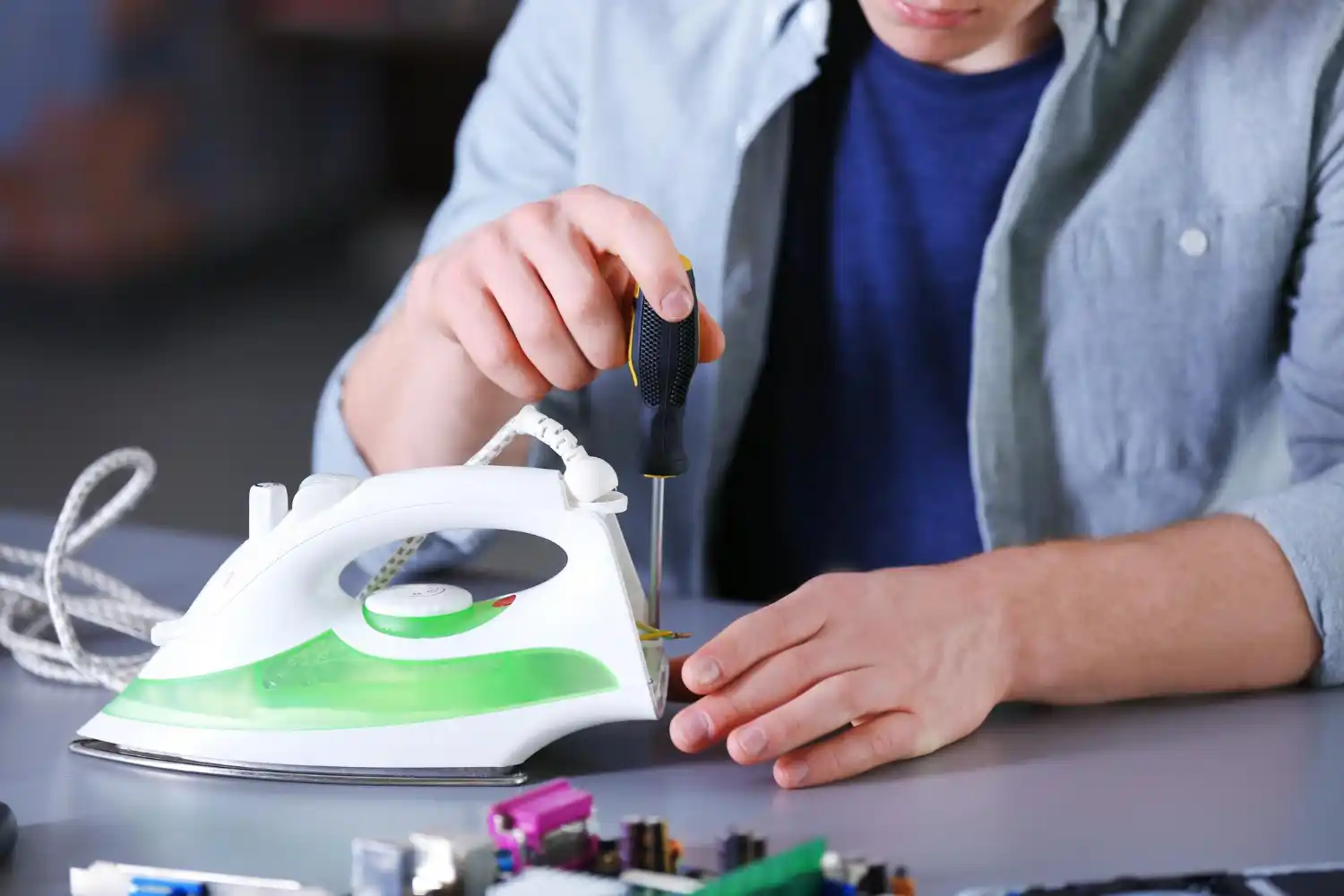
Most electric irons use between 1000 and 3000 watts of electricity, depending on the type and settings. A typical 2000-watt iron uses around 2 kWh per hour, but overall electricity costs remain moderate due to relatively short usage periods.
Electric irons are one of the most commonly used household appliances in the UK. From daily office wear and school uniforms to formal outfits, ironing remains a regular part of household routines. However, with rising energy prices, many people are asking an important question: how much electricity does an iron use?
Understanding iron electricity consumption can help you manage household energy costs more effectively and improve overall efficiency. While irons are not used continuously like refrigerators or washing machines, they consume a relatively high amount of electricity when actively heating.
In this detailed guide, we will explore how much electricity different types of irons use, how to calculate running costs, practical energy-saving tips, and ways to reduce electricity consumption while maintaining excellent ironing performance.
Average Electricity Usage
Typical Wattage
1000 – 3000 Watts
Typical Consumption
Around 2 kWh per hour
Understanding How an Iron Uses Electricity
An electric iron works by converting electrical energy into heat energy. Inside the appliance is a heating element that warms the soleplate, allowing it to remove wrinkles from clothing and fabrics. Once the desired temperature is reached, a thermostat regulates the heat by switching the power on and off as needed.
Electricity consumption varies depending on several factors, including the wattage of the iron, temperature settings, ironing duration, fabric type, and whether steam functions are being used.
Most household irons consume between 1000 and 3000 watts depending on their design, performance level, and heating capabilities.
Factors That Affect Electricity Usage
- Wattage of the iron
- Temperature setting selected
- Type of fabric being ironed
- Duration of ironing sessions
- Steam function usage
Average Electricity Usage of an Iron
The power rating of an iron determines how much electricity it uses per hour.
| Type of Iron | Average Wattage | Electricity Usage per Hour |
|---|---|---|
| Basic Dry Iron | 1000–1400 watts | 1–1.4 kWh |
| Steam Iron | 1800–2400 watts | 1.8–2.4 kWh |
| High-Power Steam Iron | 2400–3000 watts | 2.4–3 kWh |
| Steam Generator Iron | 2500–3200 watts | 2.5–3.2 kWh |
| Travel Iron | 800–1200 watts | 0.8–1.2 kWh |
Although irons use relatively high power, they are typically operated for short periods, which keeps overall electricity consumption moderate.
How to Calculate Iron Electricity Usage
Electricity usage is measured in kilowatt-hours (kWh). The formula is:
Electricity Usage (kWh) = Power (Watts) × Hours Used 1000
For example, if a 2000-watt iron is used for 1 hour:
2000 × 1 1000 = 2 kWh
This means the iron consumes 2 units of electricity per hour of continuous use.
Cost of Running an Iron
To calculate running costs, multiply electricity usage by your electricity tariff rate.
Example
- Iron power: 2000 watts
- Usage time: 1 hour
- Electricity rate: £0.30 per kWh
Energy consumption:
2 kWh
Cost:
2 × 0.30 = 0.60
So, ironing for one hour costs approximately £0.60.
If used 10 hours per month:
0.60 × 10 = 6
Monthly electricity cost would be around £6.
Types of Irons and Their Electricity Usage
Different types of irons consume different amounts of electricity depending on their design, features, and intended use.
Dry Irons
Dry irons are simple, lightweight, and energy-efficient appliances. They consume less electricity and are ideal for basic everyday ironing tasks.
Steam Irons
Steam irons are the most commonly used type in UK households. They consume more power due to steam generation but provide faster and more effective ironing.
Steam Generator Irons
These high-performance appliances are designed for heavy-duty ironing. They use higher wattage but can significantly reduce ironing time.
Travel Irons
Compact and portable, travel irons consume less electricity and are suitable for occasional use while travelling.
Cordless Irons
Cordless irons operate using a rechargeable base and consume similar power to standard steam irons, but typically in shorter heating cycles.
Factors Affecting Iron Electricity Consumption
Several factors influence how much electricity an iron uses during operation.
Temperature Setting
Higher heat settings require more electricity initially to reach and maintain the desired temperature.
Fabric Type
Thicker fabrics such as denim and linen require longer ironing times and therefore consume more electricity.
Steam Function
Using the steam feature increases electricity consumption because additional energy is required to heat water and produce steam.
Ironing Duration
Longer ironing sessions naturally result in higher electricity usage over time.
Appliance Efficiency
Modern irons are generally more energy-efficient than older models, helping reduce overall electricity consumption.
Do Irons Use a Lot of Electricity?
Irons use relatively high power but are usually operated for short periods. As a result, their overall electricity consumption remains moderate compared to many other household appliances.
For example:
| Appliance | Power Usage | Usage Pattern |
|---|---|---|
| Iron | 1000–3000 watts | Short bursts |
| Kettle | 2000–3000 watts | Few minutes |
| Heater | 1500–2500 watts | Long duration |
Even though irons consume high wattage, their limited usage time helps keep electricity costs manageable.
Energy-Efficient Ironing Tips
Reducing electricity consumption while ironing is simple with a few smart habits.
Iron in Bulk
Ironing multiple clothes in one session avoids repeated heating and improves energy efficiency.
Use Correct Temperature
Select the appropriate heat setting for each fabric to avoid unnecessary electricity usage.
Switch Off Early
Residual heat can be used to finish lighter garments, reducing overall power consumption.
Choose Energy-Efficient Models
Modern irons heat up faster and often consume less electricity than older appliances.
Maintain the Iron
Keeping the soleplate clean improves efficiency and helps reduce ironing time.
Steam Iron vs Dry Iron Electricity Usage
Steam irons generally use more electricity than dry irons because they heat water to produce steam. However, steam irons often reduce ironing time, helping balance overall energy consumption.
| Type | Electricity Use | Efficiency |
|---|---|---|
| Dry Iron | Lower | Slower Ironing |
| Steam Iron | Higher | Faster Results |
Smart Ironing Technology
Modern irons include advanced features that help reduce electricity usage while improving convenience and safety.
- Auto shut-off
- Temperature control sensors
- Eco modes
- Quick heat technology
- Anti-scale systems
VCR Electric Services often highlight the importance of using energy-efficient electrical appliances to help reduce household energy consumption.
Understanding Electrical Terms in Irons
When checking iron specifications, you may come across the following electrical terms:
- Watt
- Kilowatts
- kW
- Amps
These terms describe how much electrical power an iron uses and how efficiently it operates.
Environmental Impact of Iron Usage
Although irons are not major electricity consumers compared to many household appliances, using them efficiently contributes to lower overall household energy demand.
Benefits of efficient ironing include:
Reduced Electricity Bills
Lower energy consumption helps reduce monthly household electricity costs.
Lower Carbon Emissions
Using less electricity helps reduce your environmental impact.
Less Energy Waste
Efficient ironing habits ensure electricity is used more effectively.
Improved Appliance Lifespan
Proper usage and maintenance can help extend the life of your iron.
Common Myths About Iron Electricity Usage
Higher Watt Irons Waste More Electricity
Not always true. Higher wattage irons heat up faster and may actually reduce overall ironing time, helping improve efficiency.
Leaving an Iron On Uses Excess Energy
Modern irons use thermostats that automatically cycle power on and off to maintain temperature efficiently.
Steam Irons Are Inefficient
Steam irons can often save both time and energy, particularly when ironing large loads or thicker fabrics.
Future of Electric Irons
Iron technology continues to evolve with a strong focus on energy efficiency, convenience, and smart functionality.
Future innovations may include:
- AI temperature adjustment
- Ultra-fast heating elements
- Solar-assisted charging systems
- Smart energy monitoring
- Lightweight ceramic heating plates
These advancements are expected to further reduce electricity consumption while improving ironing performance.
Final Thoughts
So, how much electricity does an iron use? Most irons consume between 1000 and 3000 watts, depending on the model and settings. While this may seem high, irons are only used for short periods, making their overall electricity usage moderate.
The actual cost depends on wattage, ironing time, and efficiency. By using smart ironing habits and energy-efficient models, households can significantly reduce electricity bills while maintaining convenience.
Frequently Asked Questions
Need Professional Help with Your Light Fitting?
Contact VCR Electric Services for safe, professional installation by qualified electricians.
Call Us Now: 07446 111 951