
Understanding When to Rewire Your House
A house typically needs rewiring every 25–40 years, depending on the age, condition, and electrical demand of the property. Signs you may need rewiring include frequent circuit breaker trips, flickering lights, burning smells, outdated fuse boxes, and old rubber or fabric wiring. UK homeowners should arrange an Electrical Installation Condition Report (EICR) every 10 years to assess safety.
Electricity powers nearly every aspect of modern life, from lighting and heating to security systems and smart devices. Yet the wiring hidden behind your walls is often forgotten until something goes wrong. One of the most common questions homeowners ask is: how often does a house need to be rewired?
The answer is not always straightforward. It depends on the age of the property, the condition of the existing wiring, how heavily the system is used, and whether it meets current British safety standards. In this detailed guide, we will explore everything you need to know about house rewiring, including warning signs, regulations, costs, safety implications, and when to call professionals such as Emergency Electricians.
How Long Does Electrical Wiring Last?
In general, most electrical wiring in UK homes can last between 25 and 40 years. However, longevity depends heavily on the materials used and how well the installation was carried out.
- Homes built before the 1960s may still contain outdated rubber, lead, or fabric-insulated cables.
- Properties built in the 1970s and 1980s often have PVC wiring, which is more durable.
- Modern installations, if properly maintained, can last up to 40 years or more.
Even if wiring appears functional, it may not meet current safety regulations. Electrical standards in the UK have evolved significantly to improve safety and efficiency.
Why Rewiring Is Sometimes Necessary
Electrical systems degrade over time. Insulation can become brittle, cables may loosen, and consumer units can become outdated. Rewiring is necessary when:
- The system is unsafe
- The wiring no longer complies with regulations
- You are carrying out a major renovation
- The property’s electrical demand has increased significantly
Modern households use far more electricity than homes did decades ago. Charging points, electric showers, induction hobs, and smart home systems all place greater strain on older circuits.
Signs Your House May Need Rewiring
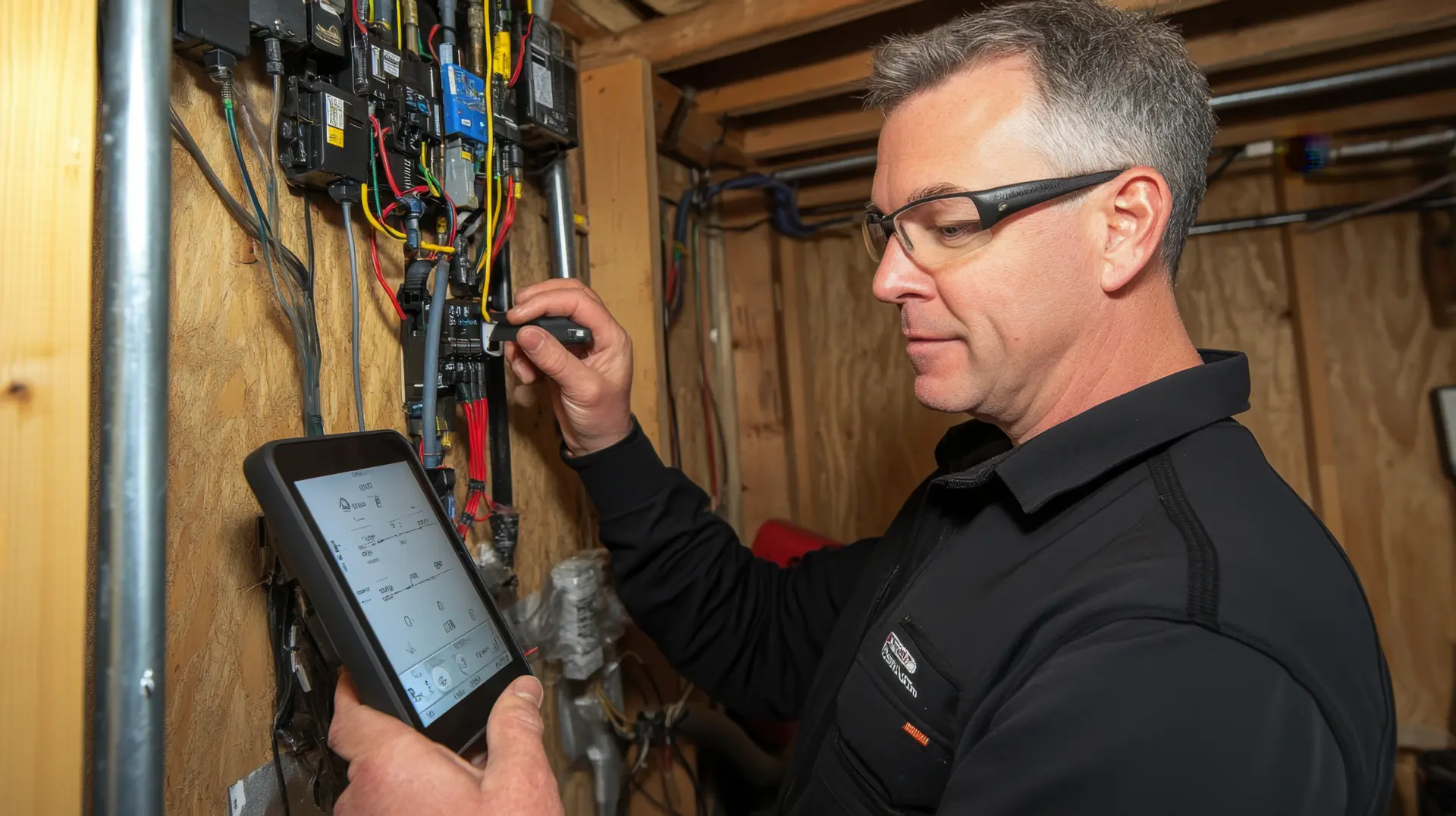
Understanding the warning signs can prevent dangerous situations. If you notice any of the following, it may be time to consider a professional inspection:
1. Frequent Circuit Breaker Trips
If your circuit breaker trips regularly, it may indicate overloaded circuits or faulty wiring.
2. Flickering or Dimming Lights
Flickering lights without explanation could indicate loose wiring connections.
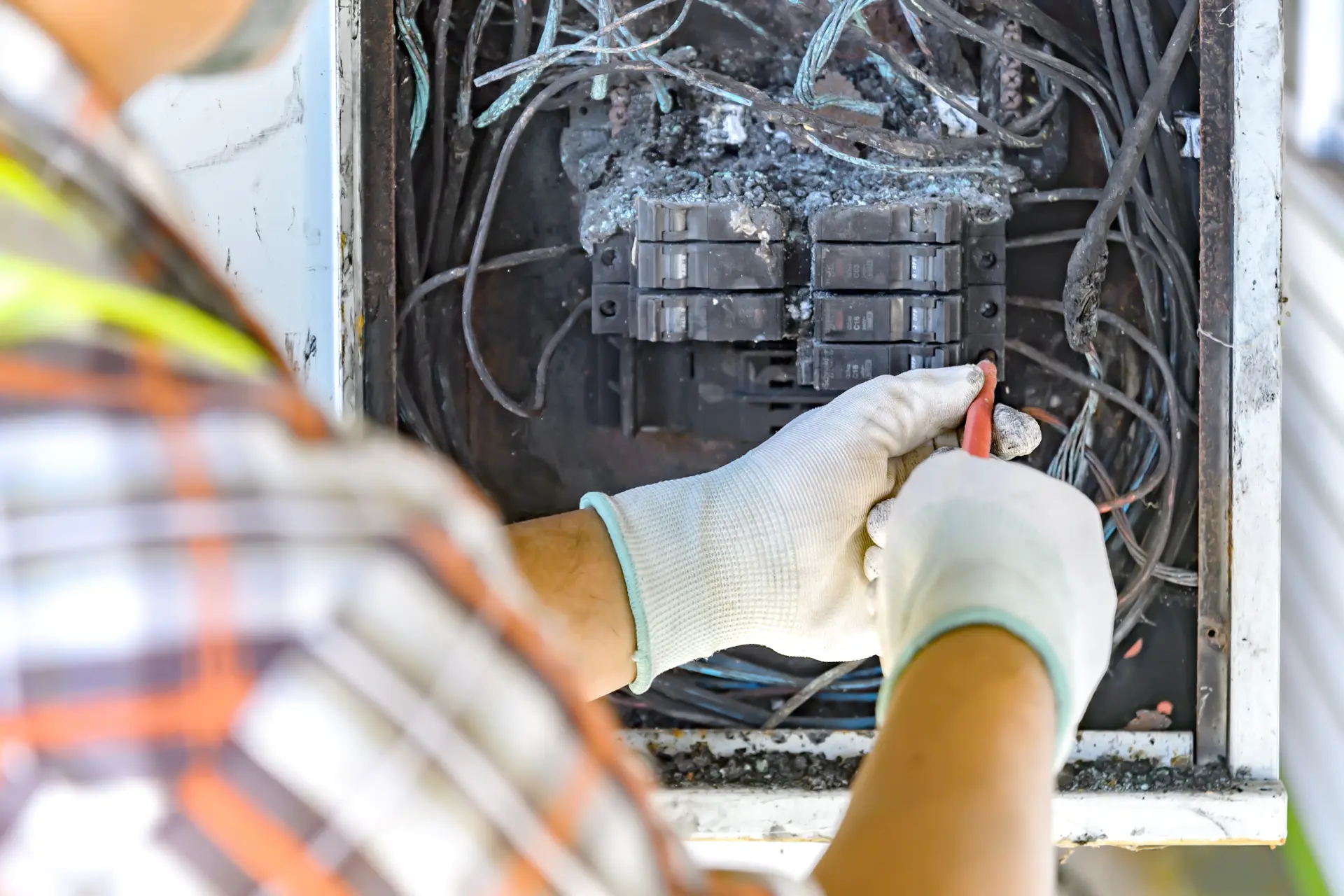
3. Burning Smell or Scorch Marks
A burning smell near sockets or switches is a serious red flag. Turn off the power immediately and contact qualified Emergency Electricians.
4. Old-Style Fuse Box
If your home still has a fuse box with rewirable fuses rather than a modern consumer unit with RCD protection, it is likely outdated.
5. Lack of Sockets
Older homes often have fewer plug sockets. Over-reliance on extension leads can overload circuits and increase fire risk.
6. Fabric or Lead-Insulated Wiring
These materials are now considered unsafe and should be replaced.
How Often Should You Inspect Your Electrical System?
In the UK, it is recommended that homeowners have an Electrical Installation Condition Report (EICR) carried out every 10 years for owner-occupied properties, and every 5 years for rented properties.
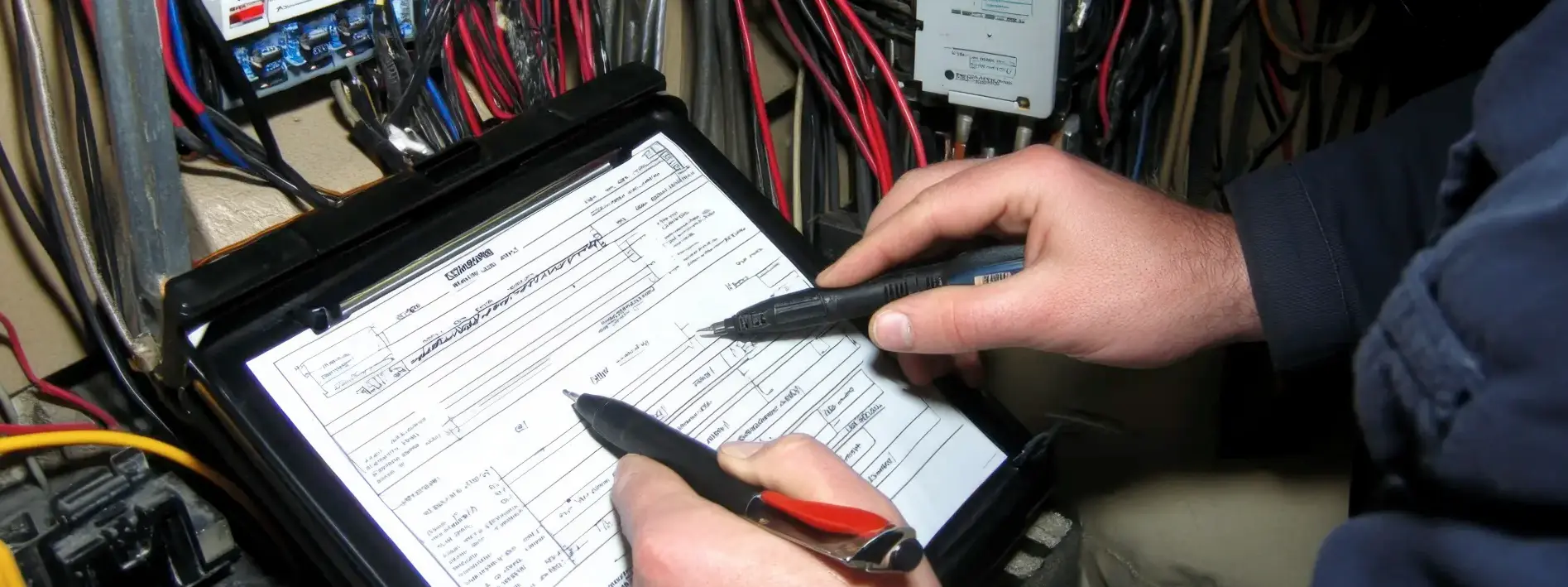
An EICR does not necessarily mean you need a full rewire. It simply assesses the safety and condition of your existing wiring.
If your property is more than 30 years old and has never been rewired, it is wise to arrange an inspection.
Rewiring and UK Regulations
Electrical installations in Britain must comply with the 18th Edition of the IET Wiring Regulations (BS 7671). These standards ensure safety and energy efficiency. Key regulatory updates include:
- Mandatory RCD protection
- Adequate earthing and bonding
- Safe positioning of sockets and switches
- Proper circuit labelling
If your wiring predates these regulations, it may not provide adequate protection.
Partial vs. Full Rewire
Not every property requires a full rewire. There are two main options:
Partial Rewire
This involves replacing specific circuits or upgrading certain parts of the system. It is suitable when:
- Only one area is outdated
- You are renovating a single room
- Damage is localised
Full Rewire
A complete rewire replaces all cables, sockets, switches, and the consumer unit. This is recommended when:
- The wiring is over 40 years old
- Multiple safety issues are identified
- The property is undergoing a major renovation
- There are signs of widespread deterioration
What Happens During a House Rewire?
Rewiring is a significant project. It typically involves:
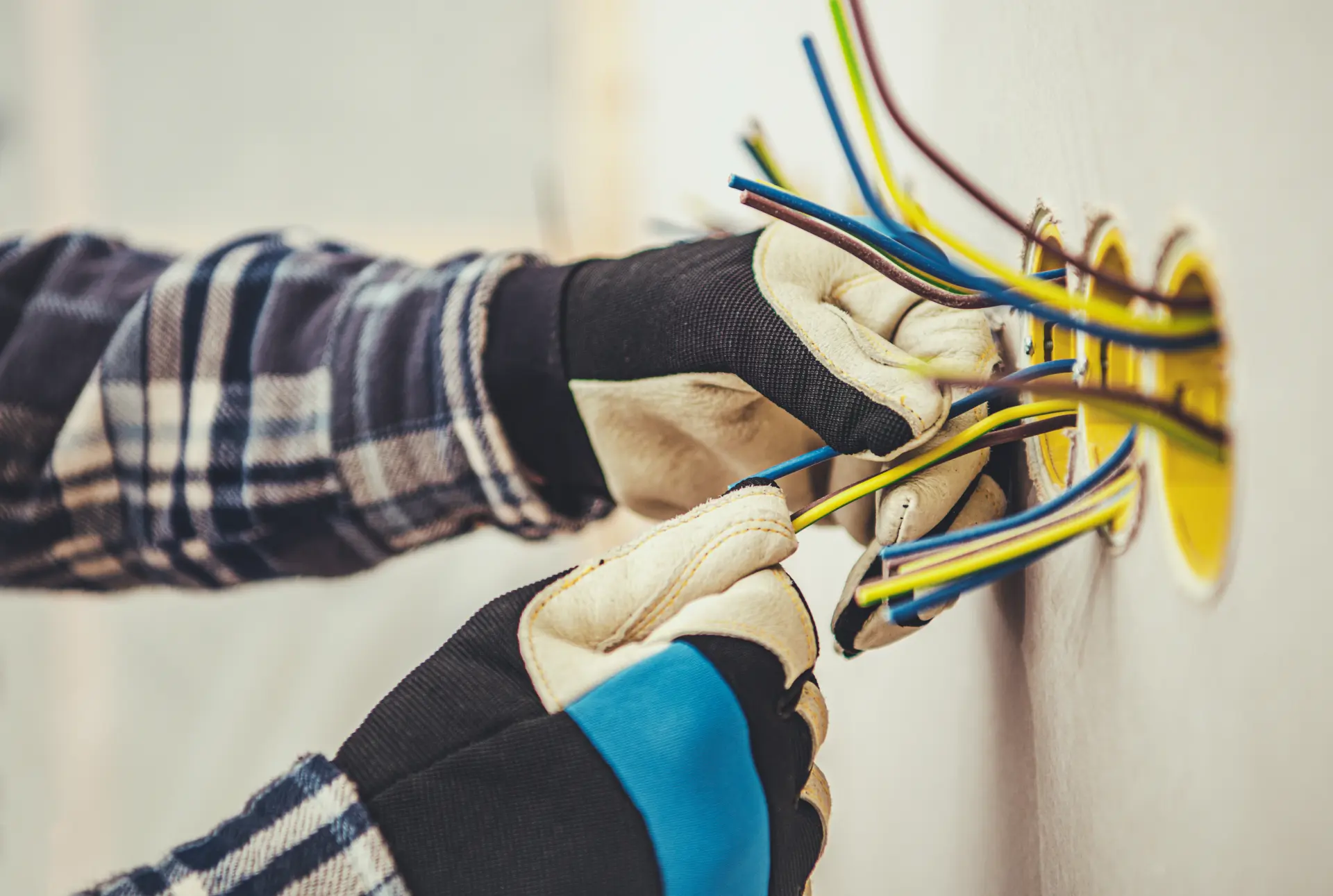
- Removing old wiring
- Installing new cables
- Replacing sockets and switches
- Upgrading the consumer unit
- Testing and certification
The process can take between 5 and 10 days, depending on the size of the property. There will be disruption, including lifting floorboards and chasing walls. Many homeowners choose to rewire before moving in or during refurbishment works.
The Cost of Rewiring a House in the UK
Costs vary based on property size and location. As a general guide:
- 1-bedroom flat: £3,000–£4,500
- 2-bedroom house: £4,000–£6,000
- 3-bedroom house: £5,000–£8,000
- 4-bedroom house: £7,000–£10,000+
Although it is a considerable investment, rewiring significantly increases safety and property value.
Is Rewiring Covered by Insurance?
Home insurance may cover electrical damage caused by unforeseen events, such as fire. However, insurers may reject claims if outdated or poorly maintained wiring contributed to the issue. Regular inspections help demonstrate responsible maintenance.
Can You Live in a House During Rewiring?
Yes, but it can be inconvenient. Power may be off for extended periods, and rooms will be disturbed. Many homeowners choose temporary accommodation if the rewire is extensive.
Rewiring Older and Period Properties
Older properties often present unique challenges: solid brick walls, limited cavity space, and original features requiring preservation. Specialist electricians experienced in heritage properties are essential to minimise disruption while upgrading safety.
The Dangers of Ignoring Old Wiring
Electrical faults are one of the leading causes of house fires in the UK. Ignoring outdated wiring increases risks such as:
- Electric shocks
- Appliance damage
- Power outages
- Fire hazards
If you suspect a problem, do not delay contacting professionals. In urgent cases, Emergency Electricians in Hayes can quickly assess and isolate faults.
Benefits of Rewiring Your Home
Rewiring is not just about safety. It offers several advantages:
Improved Safety: Modern wiring significantly reduces fire and shock risks.
Increased Property Value: A recently rewired property is attractive to buyers and surveyors.
Better Energy Efficiency: Modern systems operate more efficiently and support smart home technology.
Greater Convenience: More sockets, USB outlets, and improved layout make daily life easier.
Does a Modern House Ever Need Rewiring?
Even newer properties may require rewiring if the installation was poorly done, significant alterations were made, or there has been water or fire damage. However, most modern homes should not require a full rewire for at least 30–40 years if maintained correctly.
How to Extend the Life of Your Wiring
While wiring ages naturally, proper maintenance helps prolong its lifespan:
- Arrange regular EICR inspections
- Avoid overloading sockets
- Upgrade the consumer unit when necessary
- Address faults promptly
- Use qualified electricians for any electrical work
When Buying a Property: Should You Rewire?
If you are purchasing an older home, always request an EICR. A rewire may be necessary if the survey highlights electrical concerns, the fuse box is outdated, or the wiring has not been upgraded for decades. Factoring rewiring costs into negotiations can be wise.
Choosing the Right Electrician
A qualified and registered electrician must always carry out rewiring. Look for NICEIC or NAPIT registration, positive customer reviews, clear quotations, and certification upon completion. A trusted provider such as VCR Electric Services ensures work is completed to British standards and properly certified.
Final Thoughts
There is no universal schedule for rewiring. However, most UK homes require rewiring every 25 to 40 years, depending on condition and usage. Regular inspections, awareness of warning signs, and compliance with modern regulations are key to maintaining electrical safety. If in doubt, consult qualified professionals for advice and testing.
Investing in rewiring not only protects your property but also ensures peace of mind for years to come.
Frequently Asked Questions
How do I know if my house needs rewiring?
Common signs include frequent tripping, flickering lights, burning smells, outdated fuse boxes, and wiring older than 30–40 years.
Is rewiring a house messy?
Yes, rewiring can be disruptive, as walls may need chasing and floorboards may need lifting. However, professional electricians minimise damage where possible.
How long does it take to rewire a house?
A full rewire typically takes between 5 and 10 days, depending on the size and condition of the property.
Can I rewire my house myself?
Electrical rewiring must comply with UK regulations and should only be carried out by a qualified electrician to ensure safety and certification.
Does a house built in the 1980s need rewiring?
Not necessarily, but it should be inspected. If the wiring is original and over 40 years old, an assessment is recommended.
We provide expert electrical rewiring services for homes and businesses in Northwood and the surrounding areas. Whether you need a full or partial rewire, our team ensures safe, compliant, and efficient results tailored to your property’s needs.